

In the sci-fi classic “Back to the Future 2”, Marty McFly traveled to 2015. And somehow, the music industry now has its own time machine. Apparently, we’re living in 2016. Older songs are showing up everywhere. Tracks from a decade ago are climbing playlists. People are listening to 2016 like it just happened.
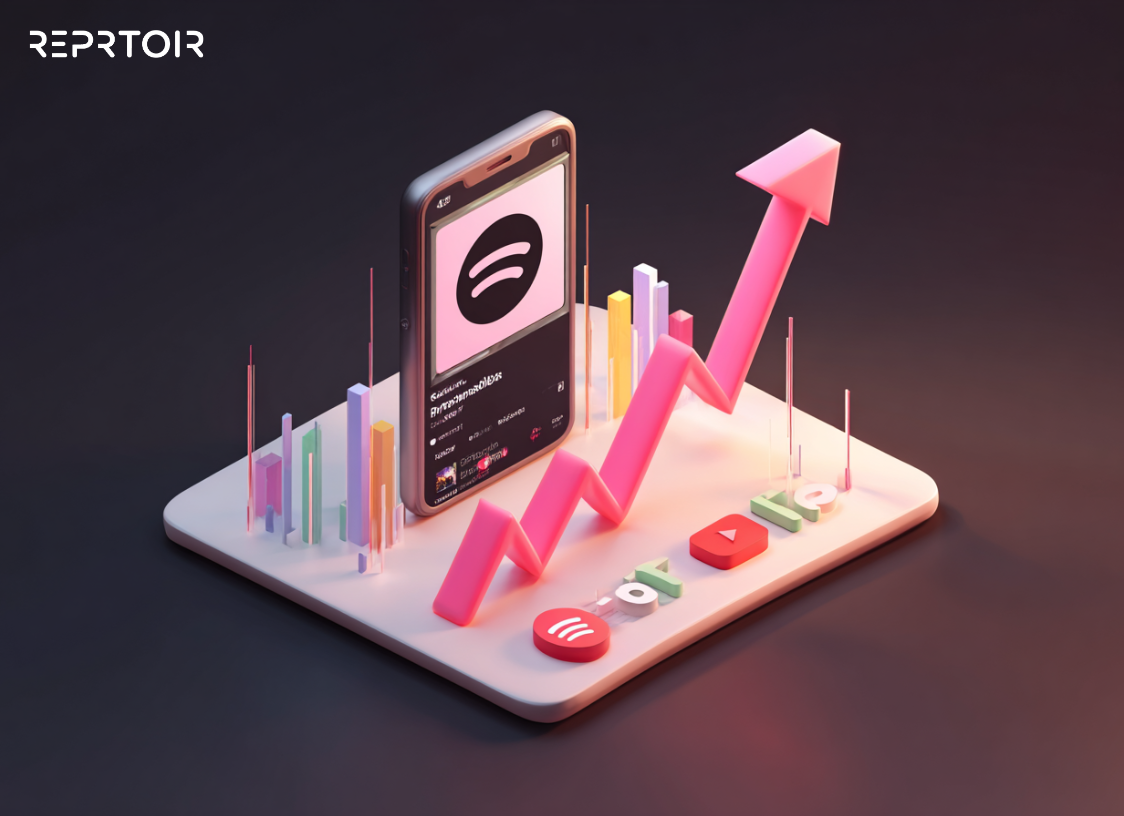
Why is this happening? In just a matter of weeks, Spotify saw a 790% increase in 2016-themed playlists. How do we even wrap our heads around that number?
The #2016 hashtag has exploded across social media, with millions of users posting throwbacks to what many are calling a “simpler” time online. People are re-experiencing an entire era of culture, fashion, and music.
Is this just another wave of nostalgia? Or is something bigger going on inside the music industry?
Why 2016, and Why Now?
Every generation looks back about 8 to 12 years and feels a pull. That part isn’t new. Music trends tend to move in cycles. Sounds return. Styles reappear. Audiences rediscover what once felt current. But this moment feels different.
Many users describe 2016 as a lighter digital era. It was before constant AI feeds, hyper-optimized content, and before every post felt like a performance. Social media platforms were still chaotic and fun. Music felt more communal, and now, streaming behavior is shifting. 2016-era tracks are gaining real listening traction.
Those songs are connecting to something deeper. They carry an emotional clarity that feels harder to find today. And that’s exactly where the music industry should start paying attention.
Nostalgia Is Reshaping Music Trends
Dance music in 2026 is one genre leaning into mid-2010s energy. Artists aren’t recreating 2016 beat-for-beat. They’re reclaiming its confidence and the belief that music can be bold, heartfelt, and openly emotional.
In recent years, music trends have been shaped by data and songs built for short attention spans. But listeners seem tired of constant novelty. Nostalgia offers raw comfort and emotional clarity. It brings people back to who they were and the friends they were with when they first heard that song. That’s why crowds react so strongly. It’s not just that people recognize a song. It’s that they recognize themselves in it.
In a world that often feels filtered, optimized, and constantly judged, that kind of emotional release matters. And when enough people crave that kind of connection at the same time, it influences what gets programmed, what climbs playlists, and what artists feel confident creating next.
Fan Pages and Communities
Fan pages and communities are gaining power again. Artists aren’t relying on algorithmic pushes. Instead, they're leaning into shared memories and grassroots storytelling. Some are even using secondary accounts and fan-style pages to share content that feels less polished and more personal. Nostalgia plays a big role here; it creates common ground.
If thousands of people remember where they were when a song dropped in 2016, that memory becomes marketing fuel in 2026.
Long-form content is returning, too. Instead of 15-second clips, artists are bringing fans behind the scenes, into vlogs, and even into short films. When thousands of listeners reconnect with the same songs and memories, that feeling becomes powerful and something labels and marketing teams can build around.
An anniversary becomes a moment people are already emotionally connected to. Old visuals aren’t simply reused. They bring people back to how that music once made them feel. And songs from the back catalog aren’t just sitting there. They’re moving again.
The pull of nostalgia may happen naturally in people’s minds. But teams are starting to recognize that this can be shaped, supported, and turned into real momentum.
The Back Catalog Is No Longer Passive
In the past, older music tended to grow steadily and predictably. Maybe there was a reissue. Perhaps an anniversary edition was released. A song may have landed in a film or TV show and seen a boost in listens.
Today, things move faster. A single viral moment can send a 10-year-old track back into heavy rotation almost overnight. For the teams behind that music, it’s no longer a slow and steady game. Streams can climb quickly. Revenue can rise just as fast when nostalgia takes off.
And when that happens, the details suddenly matter.
- Metadata accuracy
- Rights clarity
- Royalty splits
- Regional reporting
If a 2016 track suddenly gains traction in Latin America or Southeast Asia, teams need to understand what’s happening in real time and be prepared. They need to see the growth clearly and make sure everything behind the scenes is in order.
Is Nostalgia Here to Stay?
It’s tempting to say this is just the 10-year cycle doing its thing. And maybe part of it is. But this moment feels bigger than that. Many listeners seem tired of how fast everything moves now.
In a hyper-digital world, nostalgia feels human. If this pattern continues, the music industry may need to think differently about timing and about how long a song’s life really lasts.
In Closing
A 790% increase in 2016 playlists isn’t random. Nostalgia is shaping music trends, shifting streaming patterns, and breathing new life into older tracks. For the music industry, that creates both opportunity and complexity.
When older songs surge, teams need clarity. They need accurate data, organized rights, and reliable reporting. They need to understand where revenue is coming from and how fast it’s moving. Nostalgia may be emotional, but it’s also measurable.
At Reprtoir, we help music professionals manage catalogs, track royalties, and stay ready for shifts in music trends. Whether it’s a new release or renewed back catalog momentum, having everything in one place makes it easier to respond quickly.
If nostalgia really is the next big thing, the smartest move isn’t just remembering the past.
It’s being prepared for what comes next.
Curious how it works?
Contact us today for a free demo and see how Reprtoir can help you stay ahead of the next wave.